English GB
 Español
 Italiano
 Português PT
Free veterinary service
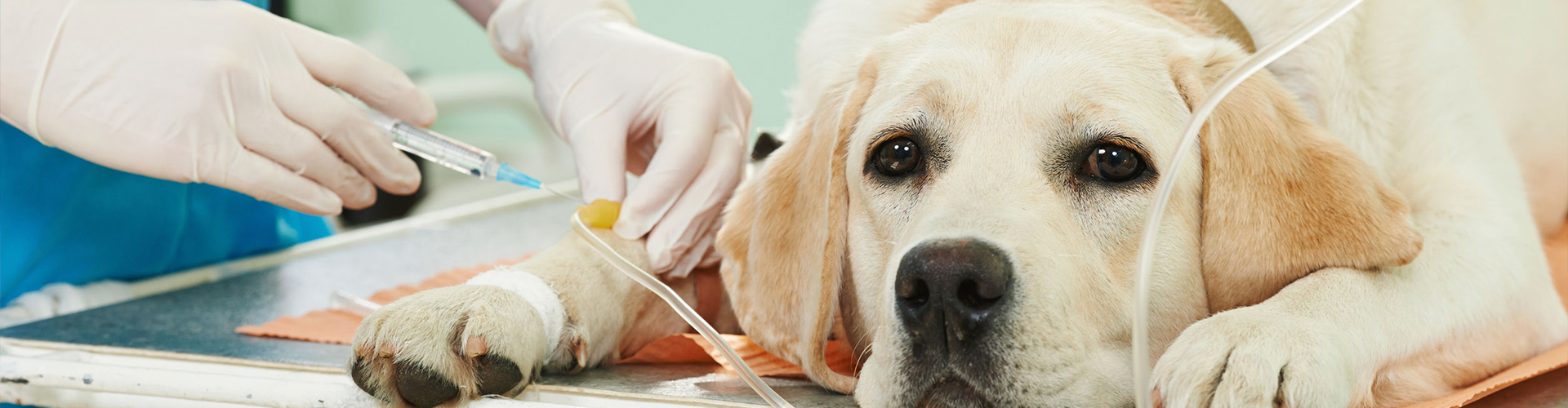
Do you have doubts about 100% vegetable (vegan) food in dogs and cats? Do you need veterinary support during the first introduction? Does your veterinarian have questions and needs to talk to us?
We will be happy to assist you with any small thing you want to comment or ask us about our feed and vegan food in dogs and cats.
María González, co-founder of La Vida Refugio Color Frambuesa and responsible for the free veterinary consultation service of VeggieAnimals, will respond within 72 hours from Monday to Friday.
ALLERGIES
VeggieAnimals is a hypoallergenic food since it does not contain the main allergens for dogs and cats, which are usually proteins from products of animal origin. Furthermore, all the ingredients we use to make our products are suitable for human consumption, free of toxins, hormones, medicines, addictive substances, and chemical flavorings.
All of this combined creates a product suitable for many animals that suffer reactions from other less natural types of food or from ingredients of animal origin.
**If your companion is allergic to different foods, whether you have done an allergy panel (analyzed the products that cause a reaction) or simply diagnosed through an elimination diet, it is highly recommended that you consult us or your veterinarian before making the switch. Although VeggieAnimals is a hypoallergenic food, it is not an anallergic food; it contains ingredients to which some animals may be allergic, and therefore these cases must be assessed individually.
More info on the Blog:
Skin allergies and VeggieAnimals
All of this combined creates a product suitable for many animals that suffer reactions from other less natural types of food or from ingredients of animal origin.
**If your companion is allergic to different foods, whether you have done an allergy panel (analyzed the products that cause a reaction) or simply diagnosed through an elimination diet, it is highly recommended that you consult us or your veterinarian before making the switch. Although VeggieAnimals is a hypoallergenic food, it is not an anallergic food; it contains ingredients to which some animals may be allergic, and therefore these cases must be assessed individually.
More info on the Blog:
Skin allergies and VeggieAnimals
RECOMMENDED ANALYTICS
We always recommend performing annual check-ups and blood tests for our companions, both dogs and cats. Depending on their age, lifestyle, and health status, these will be more or less comprehensive:
For example, an animal that drinks and urinates a lot requires a specific type of test and possibly different complementary tests than a healthy animal.
For a healthy animal that spends a lot of time outdoors or has had a tick, it is advisable to perform a blood parasite screening (Leishmania, heartworm, ehrlichia, anaplasma, etc.) in addition to routine blood work.
If the animal is over 8 years old, geriatric check-ups, complete blood counts, urinalysis, and heart check-ups are recommended, along with any other tests the veterinarian deems necessary.
We must be clear that preventive medicine is more cost-effective in the long run. If we diagnose a disease in its early stages, it is much easier to treat and reverse its effects on our companion. This way, we prevent unnecessary suffering and improve the prognosis of diseases that, if detected at an advanced stage, can be fatal in a short period of time, leading to significant suffering and high treatment costs without achieving good results.
For example, an animal that drinks and urinates a lot requires a specific type of test and possibly different complementary tests than a healthy animal.
For a healthy animal that spends a lot of time outdoors or has had a tick, it is advisable to perform a blood parasite screening (Leishmania, heartworm, ehrlichia, anaplasma, etc.) in addition to routine blood work.
If the animal is over 8 years old, geriatric check-ups, complete blood counts, urinalysis, and heart check-ups are recommended, along with any other tests the veterinarian deems necessary.
We must be clear that preventive medicine is more cost-effective in the long run. If we diagnose a disease in its early stages, it is much easier to treat and reverse its effects on our companion. This way, we prevent unnecessary suffering and improve the prognosis of diseases that, if detected at an advanced stage, can be fatal in a short period of time, leading to significant suffering and high treatment costs without achieving good results.
PUPPIES AND ELDERLY DOGS
Puppies and elderly dogs seemingly have different nutritional needs than adults, but those differences also exist among adults of different sizes, builds, or lifestyles.
VeggieAnimals is a physiological food that meets the nutritional requirements specified by FEDIAF for adults and elderly dogs. For younger ones, we have developed Puppy and Kitten.
We must adjust the portion to the specific needs of each individual; this is essential for an adequate supply of nutrients.
In the case of puppies, we will not excessively limit the amount ingested unless they do not self-regulate their intake. The guideline dosage is indicated on the bag, and since they are growing, they can/should always be given a bit more. There are puppies that are "light eaters," and we will have to monitor that they ingest at least the amount for their weight, while there are others that eat without problems, and we must prevent them from consuming large amounts that could cause digestive issues.
When we start feeding the puppy solid food, around 3-4 weeks when their teeth begin to come in, we must get them used to eating in several meals. If we see that they ration themselves, we can leave the food available, but the easiest way to monitor how well they eat, especially if there is more than one animal in the home, is to divide the daily dose into several meals—for puppies, a minimum of 3.
In elderly dogs, we cannot generalize, as we consider those over 8 years old to be geriatric patients, and as we all know, at 8 years old, many of our companions are as healthy and active as a 4-year-old youngster.
We do need to keep in mind that with age, some dogs and cats become more sedentary, sometimes due to personality and sometimes because they begin to develop joint problems. Therefore, it is very important that they maintain an optimal weight. Furthermore, VeggieAnimals, being a 100% plant-based food, acts beneficially on the body's inflammatory mechanisms, reducing pain in animals with joint issues and helping them stay more active.
More info on the Blog:
• 100% plant-based food for puppies and kittens
• Senior animals and care
VeggieAnimals is a physiological food that meets the nutritional requirements specified by FEDIAF for adults and elderly dogs. For younger ones, we have developed Puppy and Kitten.
We must adjust the portion to the specific needs of each individual; this is essential for an adequate supply of nutrients.
In the case of puppies, we will not excessively limit the amount ingested unless they do not self-regulate their intake. The guideline dosage is indicated on the bag, and since they are growing, they can/should always be given a bit more. There are puppies that are "light eaters," and we will have to monitor that they ingest at least the amount for their weight, while there are others that eat without problems, and we must prevent them from consuming large amounts that could cause digestive issues.
When we start feeding the puppy solid food, around 3-4 weeks when their teeth begin to come in, we must get them used to eating in several meals. If we see that they ration themselves, we can leave the food available, but the easiest way to monitor how well they eat, especially if there is more than one animal in the home, is to divide the daily dose into several meals—for puppies, a minimum of 3.
In elderly dogs, we cannot generalize, as we consider those over 8 years old to be geriatric patients, and as we all know, at 8 years old, many of our companions are as healthy and active as a 4-year-old youngster.
We do need to keep in mind that with age, some dogs and cats become more sedentary, sometimes due to personality and sometimes because they begin to develop joint problems. Therefore, it is very important that they maintain an optimal weight. Furthermore, VeggieAnimals, being a 100% plant-based food, acts beneficially on the body's inflammatory mechanisms, reducing pain in animals with joint issues and helping them stay more active.
More info on the Blog:
• 100% plant-based food for puppies and kittens
• Senior animals and care
SHELF LIFE, HOW TO KEEP AND TRACES
Our foods expire 1 year after manufacturing. You can find the expiration date and batch number in each of our products.
Please store VeggieAnimals foods in a cool dry place, away from direct sunlight.
No traces of product are usually found. The food production facility where VeggieAnimals products are manufactured is subject to strict controls and its equipment is cleaned before and after every use. However, other food products are manufactured in the same production plant, so traces of other foods might end up in one of VeggieAnimals bags on rare occasions. Unfortunately, there are no production facilities of vegan pet food and we have to make do with what we have.
Please store VeggieAnimals foods in a cool dry place, away from direct sunlight.
No traces of product are usually found. The food production facility where VeggieAnimals products are manufactured is subject to strict controls and its equipment is cleaned before and after every use. However, other food products are manufactured in the same production plant, so traces of other foods might end up in one of VeggieAnimals bags on rare occasions. Unfortunately, there are no production facilities of vegan pet food and we have to make do with what we have.
HOW TO INTRODUCE YOUR DOG AND YOUR CAT TO VEGGIEANIMALS FOODS?
DOGS: To ensure the dietary transition is not abrupt and to allow both their digestive system and palate to get used to the new food, it is recommended to mix the previous food with the new one over a period of 3 to 5 days.
Guidelines:
Day 1: mix 20% VeggieAnimals for Dogs with 80% of the previous diet
Day 2: mix 40% VeggieAnimals for Dogs with 60% of the previous diet
Day 3: mix 60% VeggieAnimals for Dogs with 40% of the previous diet
Day 4: mix 80% VeggieAnimals for Dogs with 20% of the old diet
Day 5: feed 100% VeggieAnimals for Dogs.
CATS: The introduction of any new food must always be gradual, even more so if the cat comes from a meat-based diet. We recommend that the process last a month. It is very likely that at the beginning they will prefer their previous food, especially if it is meat-based. This is because most commercial foods have substances added that are designed to make them love that type of food, sometimes even becoming addictive. VeggieAnimals for Cats is completely natural, with nothing added, since these types of substances are not healthy for cats, and at VeggieAnimals, animal health comes first.
On the other hand, changes can cause considerable stress to some cats. A dietary change is very important. Therefore, we must have a lot of patience and carry out the adaptation as calmly and slowly as possible.
Guidelines:
First week: mix 20% VeggieAnimals for Cats with 80% of the previous diet
Second week: mix 40% VeggieAnimals for Cats with 60% of the previous diet
Third week: mix 60% VeggieAnimals for Cats with 40% of the previous diet
Fourth week: mix 80% VeggieAnimals for Cats with 20% of the old diet.
From the fifth week onwards: feed 100% VeggieAnimals for Cats.
More info on the Blog:
• I want to switch my dog/cat to a 100% plant-based food, where do I start?
• Introduction of a vegan diet in cats
• What you should know about the pet food formula
Guidelines:
Day 1: mix 20% VeggieAnimals for Dogs with 80% of the previous diet
Day 2: mix 40% VeggieAnimals for Dogs with 60% of the previous diet
Day 3: mix 60% VeggieAnimals for Dogs with 40% of the previous diet
Day 4: mix 80% VeggieAnimals for Dogs with 20% of the old diet
Day 5: feed 100% VeggieAnimals for Dogs.
CATS: The introduction of any new food must always be gradual, even more so if the cat comes from a meat-based diet. We recommend that the process last a month. It is very likely that at the beginning they will prefer their previous food, especially if it is meat-based. This is because most commercial foods have substances added that are designed to make them love that type of food, sometimes even becoming addictive. VeggieAnimals for Cats is completely natural, with nothing added, since these types of substances are not healthy for cats, and at VeggieAnimals, animal health comes first.
On the other hand, changes can cause considerable stress to some cats. A dietary change is very important. Therefore, we must have a lot of patience and carry out the adaptation as calmly and slowly as possible.
Guidelines:
First week: mix 20% VeggieAnimals for Cats with 80% of the previous diet
Second week: mix 40% VeggieAnimals for Cats with 60% of the previous diet
Third week: mix 60% VeggieAnimals for Cats with 40% of the previous diet
Fourth week: mix 80% VeggieAnimals for Cats with 20% of the old diet.
From the fifth week onwards: feed 100% VeggieAnimals for Cats.
More info on the Blog:
• I want to switch my dog/cat to a 100% plant-based food, where do I start?
• Introduction of a vegan diet in cats
• What you should know about the pet food formula
WHAT IS THE ORIGIN OF VITAMIN D3? IS IT NECESSARY TO ADD THIS SUPPLEMENT TO THIS TYPE OF NUTRITION?
Vitamin D3 contained in VeggieAnimals feed is 100% vegetable and comes from algae and lichen.
VeggieAnimals is a complete feed, which means that there is no need to add any supplements to it. Whenever additional food is added that reduces the intake of that same dose, we will be decompensating the provision of nutrients, so we do not recommend the development of homemade diets to complement VeggieAnimals as we would be unbalancing the nutrients consumed by the animal and could cause excesses or deficiencies that could affect their health.
There are animals that may need some type of supplement due to health problems or because they are in recovery or convalescing. These supplements should be recommended by a vet after a prior assessment of each case.
More info on the Blog:
• The importance of Vitamin D in dogs and cats
VeggieAnimals is a complete feed, which means that there is no need to add any supplements to it. Whenever additional food is added that reduces the intake of that same dose, we will be decompensating the provision of nutrients, so we do not recommend the development of homemade diets to complement VeggieAnimals as we would be unbalancing the nutrients consumed by the animal and could cause excesses or deficiencies that could affect their health.
There are animals that may need some type of supplement due to health problems or because they are in recovery or convalescing. These supplements should be recommended by a vet after a prior assessment of each case.
More info on the Blog:
• The importance of Vitamin D in dogs and cats
STONES/CRISTALS
The formation of crystals or stones in the urine (urolithiasis) is usually related to urinary pH and the concentration of certain minerals. VeggieAnimals is formulated to promote an optimal pH and an appropriate mineral balance that helps prevent the formation of the most common crystals, such as struvite.
It is vital to encourage water intake to maintain diluted urine. In animals prone to urinary issues, we recommend regular veterinary check-ups and urinalysis to ensure that levels remain within healthy ranges.
More info on the Blog:
• Urinary health and plant-based nutrition
It is vital to encourage water intake to maintain diluted urine. In animals prone to urinary issues, we recommend regular veterinary check-ups and urinalysis to ensure that levels remain within healthy ranges.
More info on the Blog:
• Urinary health and plant-based nutrition
WHY IS THE SIZE OF VEGGIEANIMALS KIBBLE THE SAME FOR ALL DOGS?
At VeggieAnimals, we have designed a universal and ergonomic kibble size. This decision is based on the fact that most animals, regardless of their size, can properly manage this diameter.
An intermediate-sized kibble forces small animals to chew more (promoting mechanical teeth cleaning) and prevents large animals from swallowing without chewing, which improves digestion. In addition, it allows us to optimize production processes to offer a top-quality product in a more sustainable way.
If your companion has specific chewing difficulties due to age or missing teeth, you can always moisten the food with a little warm water or salt-free vegetable broth.
An intermediate-sized kibble forces small animals to chew more (promoting mechanical teeth cleaning) and prevents large animals from swallowing without chewing, which improves digestion. In addition, it allows us to optimize production processes to offer a top-quality product in a more sustainable way.
If your companion has specific chewing difficulties due to age or missing teeth, you can always moisten the food with a little warm water or salt-free vegetable broth.
JOINT PROBLEMS AND WHY WE DO NOT ADD CHONDROPROTECTORS TO OUR FOOD
100% plant-based foods have anti-inflammatory properties, reducing the activity of inflammatory mechanisms in the body and promoting the well-being of our companions' joints.
VeggieAnimals contains plant extracts, such as mint, thyme, rosemary, or aloe vera, which help modulate inflammation and, therefore, pain.
By reducing inflammation and pain, it is easier for our companions to maintain normal activity and thus keep their muscles in good condition.
In addition, we add antioxidants such as rosehip, alfalfa, calendula, green tea seed, or grape seed, which help in the regeneration of joint cartilage and delay its degeneration in chronic cases.
Weight control is also essential in managing joint problems; with VeggieAnimals, it is easy to keep our companions at their optimal weight, which reduces the overload on their joints and helps them stay more active. Joint mobility promotes correct functioning and delays degeneration, which is why it is very important to keep our companions active and motivated to perform some type of activity adapted to their possibilities, whether walks, gentle games, or passive gymnastics, but their body needs to move to maintain elasticity and reduce pain.
If the joint disease is very advanced or the pain is unbearable, a veterinarian must examine our companions' musculoskeletal system through either a physical examination or diagnostic imaging to determine the optimal treatment. Sometimes they will focus on joint hydration using chondroprotectives, and other times it will be necessary to resort to anti-inflammatories or analgesics.
More info on the Blog:
• 5 benefits of VeggieAnimals for dog and cat joints
VeggieAnimals contains plant extracts, such as mint, thyme, rosemary, or aloe vera, which help modulate inflammation and, therefore, pain.
By reducing inflammation and pain, it is easier for our companions to maintain normal activity and thus keep their muscles in good condition.
In addition, we add antioxidants such as rosehip, alfalfa, calendula, green tea seed, or grape seed, which help in the regeneration of joint cartilage and delay its degeneration in chronic cases.
Weight control is also essential in managing joint problems; with VeggieAnimals, it is easy to keep our companions at their optimal weight, which reduces the overload on their joints and helps them stay more active. Joint mobility promotes correct functioning and delays degeneration, which is why it is very important to keep our companions active and motivated to perform some type of activity adapted to their possibilities, whether walks, gentle games, or passive gymnastics, but their body needs to move to maintain elasticity and reduce pain.
If the joint disease is very advanced or the pain is unbearable, a veterinarian must examine our companions' musculoskeletal system through either a physical examination or diagnostic imaging to determine the optimal treatment. Sometimes they will focus on joint hydration using chondroprotectives, and other times it will be necessary to resort to anti-inflammatories or analgesics.
More info on the Blog:
• 5 benefits of VeggieAnimals for dog and cat joints
CAN CATS EAT CEREALS? WHAT'S WRONG WITH CORN?
Processed carbohydrates are perfectly digestible and assimilable in cats, and their consumption has not been associated with the onset of any disease. In fact, removing them from the diet is not even recommended for obese or diabetic animals. In cats, harmful carbohydrate consumption would result in digestive problems due to fermentation with a large amount of gas and diarrhea, but this only occurs if the carbohydrates are not digested.
Corn protein is an ingredient with a 60% protein content extracted from the corn grain once most of the starch fraction has been separated. Only 30 kg of this fraction is obtained from each ton of corn. Technically called CGM (corn gluten meal), it does not contain the gliadin linked to celiac disease. It is a product with a cost between 2 and 3 times higher compared to meals of animal origin and, very importantly, it is processed in national factories in which we have full confidence that they use non-GMO corn and ensure the absence of mycotoxins. There are other protein sources obtained from peas, potatoes, wheat, etc., which are fully valid in terms of their nutritional and organoleptic characteristics, but as a main source, corn protein offers greater guarantees.
More info on the Blog:
• Vegan cats
Corn protein is an ingredient with a 60% protein content extracted from the corn grain once most of the starch fraction has been separated. Only 30 kg of this fraction is obtained from each ton of corn. Technically called CGM (corn gluten meal), it does not contain the gliadin linked to celiac disease. It is a product with a cost between 2 and 3 times higher compared to meals of animal origin and, very importantly, it is processed in national factories in which we have full confidence that they use non-GMO corn and ensure the absence of mycotoxins. There are other protein sources obtained from peas, potatoes, wheat, etc., which are fully valid in terms of their nutritional and organoleptic characteristics, but as a main source, corn protein offers greater guarantees.
More info on the Blog:
• Vegan cats
CAN CATS EAT VEGGIEANIMALS FOOD FOR DOGS AND VICE VERSA?
This is something we can allow occasionally, but we cannot turn it into a routine. That is to say, dogs cannot be fed cat food no matter how much they like it, nor vice versa.
If it happens for a short period of their lives, we will most likely not see any symptoms, but in the long term, not consuming the appropriate nutrients for their species—either due to excess or deficiency—can cause health problems that are irreversible in some cases.
If it happens for a short period of their lives, we will most likely not see any symptoms, but in the long term, not consuming the appropriate nutrients for their species—either due to excess or deficiency—can cause health problems that are irreversible in some cases.
OVERWEIGHT, OBESITY, AND sterilised ANIMALS
VeggieAnimals is an energetically and nutritionally concentrated food, although it adapts perfectly to animals that are neutered. It is a physiological food designed both for animals that may lead a sedentary life with a greater tendency to gain weight—for example, due to neutering or lifestyle—and for animals with higher physical activity. Many of our customers live with high-energy dogs that perform great daily physical activity and are delighted with VeggieAnimals.
Providing the correct dose will adjust and maintain their optimal weight. The packaging shows the guideline amount based on your companion's target weight. We must provide the dose according to their optimal weight; if they need to lose or gain a significant amount of weight, we will decrease or increase the dose progressively.
If you do not know your companion's optimal weight, your veterinarian can guide you.
More info on the Blog:
• 100% plant-based diet and neutered animals
• Athletic dogs and vegan nutrition
Providing the correct dose will adjust and maintain their optimal weight. The packaging shows the guideline amount based on your companion's target weight. We must provide the dose according to their optimal weight; if they need to lose or gain a significant amount of weight, we will decrease or increase the dose progressively.
If you do not know your companion's optimal weight, your veterinarian can guide you.
More info on the Blog:
• 100% plant-based diet and neutered animals
• Athletic dogs and vegan nutrition
ARE DOGS REALLY OMNIVORES? CAN CATS BE FED A 100% PLANT-BASED DIET EVEN THOUGH THEY ARE CARNIVORES?
The answer is yes.
Dogs can be fed a 100% plant-based diet without any inconvenience to their health, since they are omnivores. Furthermore, this type of diet is optimal for disease prevention and ideal for allergic, digestive, cardiac, and/or dermatological ailments. We can understand that dogs are omnivores if we analyze the feeding behavior of their ancestors, the wolves: for wolves, their natural prey are large ungulates. Their favorite parts are the viscera, where they find plant matter that is already partially digested, thus becoming a normal part of their regular diet, with a significant amount of vegetables. In addition, they also feed directly on fruits, berries, and mushrooms. Choosing a 100% plant-based diet for the dogs we live with, besides being a completely healthy option, is an ethical choice, since meat-based pet foods are made with animals that are not fit for human consumption—meaning those that are sick, disabled, dying, or already dead. Furthermore, they contain medicinal substances that are injected into them on farms.
For cats, the food must be completely thorough and balanced, and it must contain substances as vital for their body as Vitamin A, Taurine, and Vitamin B12. Normally, those who decide to opt for a plant-based diet for cats do so out of ethics, since meat-based pet foods are made with the bodies of other animals, so feeding them this way saves many lives. Another reason that leads to choosing this type of diet is health, since meat-based pet foods are made from dead, dying, sick, or disabled animals considered "unfit for human consumption," in addition to containing medicinal substances injected into the animals on farms. People are surprised that a cat, carnivore by nature, can be fed with 100% plant-based food, but they are not surprised that meat-based pet foods are made of lamb, beef, veal... A cat would never hunt any of the animals that come packaged in meat-based pet foods; its nature would be to hunt small animals like birds, rats, even insects... and those types of pet food do not exist.
Advice: Whatever the diet of the animals we live with, it is recommended to perform an annual check-up and blood test.
More info on the Blog:
• What is veganism and why are cats not vegan?
• Vegan cats
Dogs can be fed a 100% plant-based diet without any inconvenience to their health, since they are omnivores. Furthermore, this type of diet is optimal for disease prevention and ideal for allergic, digestive, cardiac, and/or dermatological ailments. We can understand that dogs are omnivores if we analyze the feeding behavior of their ancestors, the wolves: for wolves, their natural prey are large ungulates. Their favorite parts are the viscera, where they find plant matter that is already partially digested, thus becoming a normal part of their regular diet, with a significant amount of vegetables. In addition, they also feed directly on fruits, berries, and mushrooms. Choosing a 100% plant-based diet for the dogs we live with, besides being a completely healthy option, is an ethical choice, since meat-based pet foods are made with animals that are not fit for human consumption—meaning those that are sick, disabled, dying, or already dead. Furthermore, they contain medicinal substances that are injected into them on farms.
For cats, the food must be completely thorough and balanced, and it must contain substances as vital for their body as Vitamin A, Taurine, and Vitamin B12. Normally, those who decide to opt for a plant-based diet for cats do so out of ethics, since meat-based pet foods are made with the bodies of other animals, so feeding them this way saves many lives. Another reason that leads to choosing this type of diet is health, since meat-based pet foods are made from dead, dying, sick, or disabled animals considered "unfit for human consumption," in addition to containing medicinal substances injected into the animals on farms. People are surprised that a cat, carnivore by nature, can be fed with 100% plant-based food, but they are not surprised that meat-based pet foods are made of lamb, beef, veal... A cat would never hunt any of the animals that come packaged in meat-based pet foods; its nature would be to hunt small animals like birds, rats, even insects... and those types of pet food do not exist.
Advice: Whatever the diet of the animals we live with, it is recommended to perform an annual check-up and blood test.
More info on the Blog:
• What is veganism and why are cats not vegan?
• Vegan cats
TAURINE
According to the WSAVA (World Small Animal Veterinary Association), the amount of taurine that a dry food should contain is 1000mg/kg of food, or 2500mg/kg in the case of canned wet food. VeggieAnimals contains 1500mg/kg, broadly covering the recommendation.
Furthermore, you can rest completely assured; if we calculate it per individual in adult cats, the recommended daily amount of taurine is 9.9 mg / kg of cat. For example, a 5-kilogram cat would need about 50 mg of taurine and should consume around 70g of VeggieAnimals, which contains 100mg—meaning it would consume double the recommended amount, as the minimum amount would be 40g.
If you still decide to supplement, there is no problem, since taurine is water-soluble and any excess is eliminated through urine.
Furthermore, you can rest completely assured; if we calculate it per individual in adult cats, the recommended daily amount of taurine is 9.9 mg / kg of cat. For example, a 5-kilogram cat would need about 50 mg of taurine and should consume around 70g of VeggieAnimals, which contains 100mg—meaning it would consume double the recommended amount, as the minimum amount would be 40g.
If you still decide to supplement, there is no problem, since taurine is water-soluble and any excess is eliminated through urine.
VEGGIEPOOPS
We receive quite a few queries related to your companions' stools, as it usually surprises you that they are smaller, more compact, and even that the number of bowel movements is reduced.
We have the answer! If the number of bowel movements has decreased, their consistency has increased, or they are smaller since your companion has been consuming VeggieAnimals, it is because they are utilizing the nutrients better.
Stools are the "leftovers" of the food. If the food they consume is of poor quality, you will have to give them larger amounts so they can utilize a small portion, and the waste will be greater. However, if you provide a quality food, its utilization will be high and the stools smaller.
An increase or reduction in stools, both in quantity and frequency, can be a cause for concern. Therefore, if you are not sure about what is happening with your companion, write to us or consult your veterinarian so we can guide you.
More info on the Blog:
• Veggiepoops
We have the answer! If the number of bowel movements has decreased, their consistency has increased, or they are smaller since your companion has been consuming VeggieAnimals, it is because they are utilizing the nutrients better.
Stools are the "leftovers" of the food. If the food they consume is of poor quality, you will have to give them larger amounts so they can utilize a small portion, and the waste will be greater. However, if you provide a quality food, its utilization will be high and the stools smaller.
An increase or reduction in stools, both in quantity and frequency, can be a cause for concern. Therefore, if you are not sure about what is happening with your companion, write to us or consult your veterinarian so we can guide you.
More info on the Blog:
• Veggiepoops
VOMITING
The presence of vomiting is never normal, nor is it something we can ignore.
It is true that at certain times of the year (spring and autumn), dogs and cats may experience some vomiting. In the case of cats, it is related to shedding and self-grooming, expelling those hairballs through vomit. In the case of dogs, it is due to eating grass, which results in vomiting almost immediately after consumption.
Both cases should be avoided. In cats, you can supplement with malt, and in dogs, we must prevent this behavior. Even if the vomiting is not the consequence of a disease, allowing it to become chronic by letting the dog vomit on every walk—or in cats, by not brushing them or administering products to help the hair move through their digestive system—can lead to irritation of their digestive tract resulting in gastritis. This will worsen the problem, and vomiting, loss of appetite, and other more complex digestive issues will begin to appear.
If the vomiting occurs due to a sudden change in diet, we must return to the previous food as quickly as possible. If the vomiting disappears after a week, we will start the gradual transition to VeggieAnimals—over one week for dogs and over 5 weeks for cats.
If the vomiting does not subside upon returning to their previous food (if it appeared during the transition), or if it has appeared spontaneously, a veterinarian must examine our companion to determine the proper diet and the necessary tests to be performed. Only a veterinarian should prescribe treatment in the event of digestive problems.
It is true that at certain times of the year (spring and autumn), dogs and cats may experience some vomiting. In the case of cats, it is related to shedding and self-grooming, expelling those hairballs through vomit. In the case of dogs, it is due to eating grass, which results in vomiting almost immediately after consumption.
Both cases should be avoided. In cats, you can supplement with malt, and in dogs, we must prevent this behavior. Even if the vomiting is not the consequence of a disease, allowing it to become chronic by letting the dog vomit on every walk—or in cats, by not brushing them or administering products to help the hair move through their digestive system—can lead to irritation of their digestive tract resulting in gastritis. This will worsen the problem, and vomiting, loss of appetite, and other more complex digestive issues will begin to appear.
If the vomiting occurs due to a sudden change in diet, we must return to the previous food as quickly as possible. If the vomiting disappears after a week, we will start the gradual transition to VeggieAnimals—over one week for dogs and over 5 weeks for cats.
If the vomiting does not subside upon returning to their previous food (if it appeared during the transition), or if it has appeared spontaneously, a veterinarian must examine our companion to determine the proper diet and the necessary tests to be performed. Only a veterinarian should prescribe treatment in the event of digestive problems.
"The feed is of great quality, my cats are happy and healthy. At a great price and the service is 10! Thank you"
Esther Santos
"Brand of quality, committed and supportive. Always patent and available. Recommended 100%."
Flora Tristán
"Adopted Blanka 4 months ago, I always give this I think and it goes very well. He has white hair, which usually have more problems of allergies and this I think feels super good, it has helped heal scars. In addition, the package arrives home the next day if you buy it online."
Mildred Sempervirens
"My dogs love it, before they ate without food, they messed a lot with food and sometimes they left it or tried it. The four have made such a spectacular change with respect to their health that I do not change it for anything. Vitality, shine in the hair, perfect poop ... Especially one of them who adopted him a couple of years ago and came with many problems of vomiting and diarrhea, he was skeletal and his hair was dull and fell off, gave a change that seems another."
Olga Guan Yin